1. Gemini
**Software can pick the bottle. The story still needs a person**
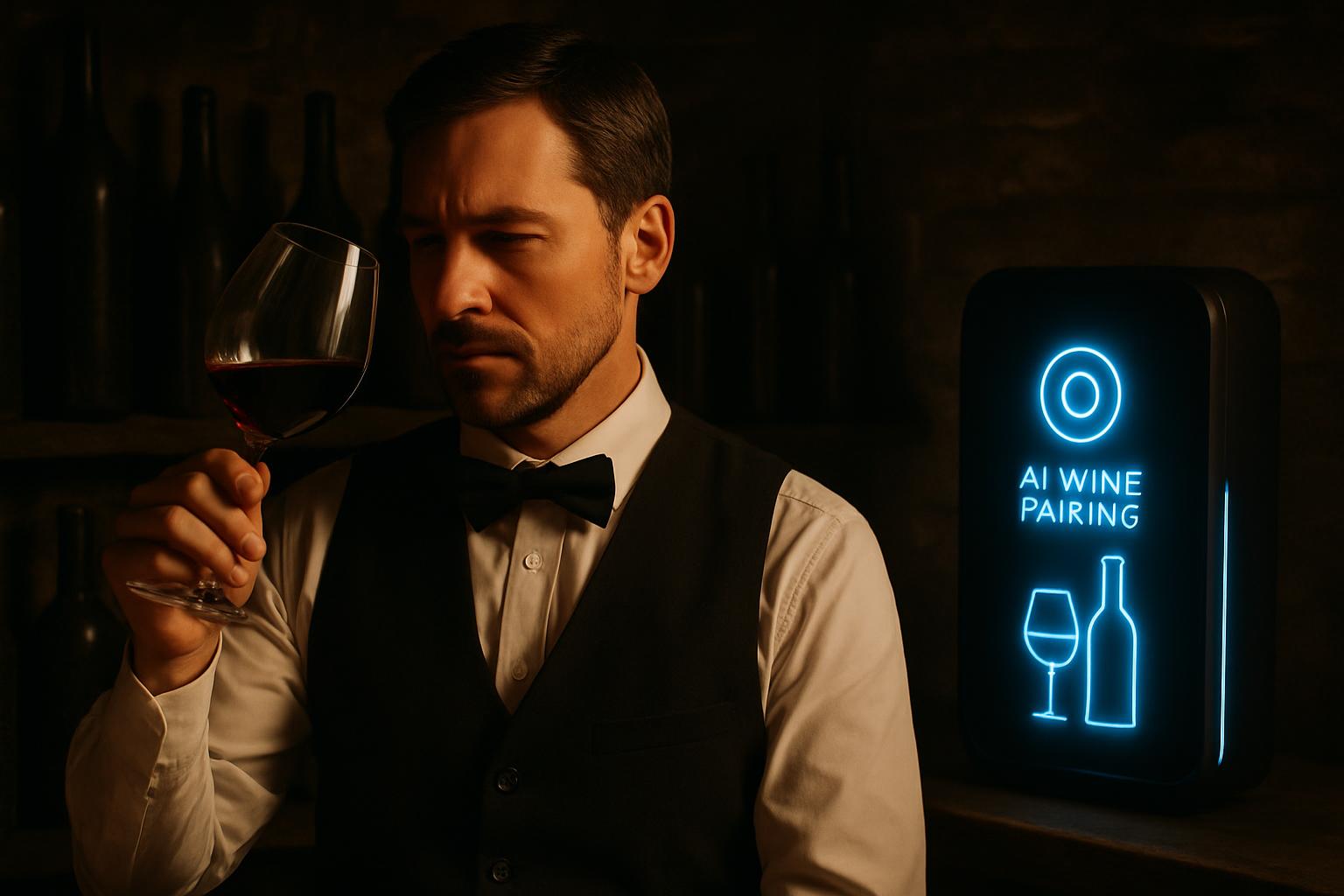
On International Sommelier Day 2026, the evolving role of artificial intelligence in the wine industry took center stage, with new technologies demonstrating remarkable capabilities in recommending the perfect bottle. As reported by, advancements in AI are transforming how wine is chosen, analyzed, and even cultivated, prompting questions about the future of human expertise in a field traditionally reliant on refined sensory skills. While software can now adeptly pick the ideal bottle based on a range of data points, experts underscore that the narrative of wine appreciation still profoundly needs a person.
Wineries, restaurants, and dedicated wine applications are at the forefront of integrating AI into their operations to enhance consumer experience. These digital tools leverage artificial intelligence to suggest wines by processing user ratings, past preferences, and even a simple photograph of a label. This allows patrons and enthusiasts to receive tailored recommendations with unprecedented speed and accuracy, streamlining the selection process whether dining out or browsing a virtual cellar.
Beyond mere recommendation, more sophisticated AI tools delve into the scientific intricacies of wine itself. Utilizing sensors and advanced machine learning algorithms, these technologies are capable of analyzing the chemical composition of wines. This deep analysis allows them to precisely identify quality indicators, determine a wine's origin, and even detect potential defects, offering a layer of objective evaluation that complements traditional tasting methods.
The influence of artificial intelligence extends far beyond the point of sale, reaching deep into the vineyards where the grapes are grown. Vineyards are increasingly deploying AI systems to monitor crops with granular detail, providing critical insights into plant health and growth cycles. These systems also prove invaluable for forecasting weather patterns, enabling growers to make proactive decisions, and for precisely timing harvests to ensure optimal grape ripeness and quality.
Despite the growing prowess of AI, a consensus among wine experts suggests that these algorithms will not replace the invaluable role of human sommeliers. This perspective highlights a fundamental understanding that while AI excels in data processing and objective analysis, it lacks certain crucial elements that define the sommelier's profession.
Specialists explain that algorithms are inherently limited in their capacity for cultural interpretation, the nuanced sensory experience required for truly understanding and appreciating wine, and the personalized service that is a hallmark of human interaction. Instead, the expectation is for AI to take on the analytical burdens, freeing sommeliers to dedicate more time to engaging directly with guests, sharing their expertise, and enhancing the overall dining experience. The envisioned future for the wine world is therefore a dynamic blend of sophisticated data-driven insights and irreplaceable human taste and service.
2. Grok
1) What matches the source All core claims align exactly: AI recommendations based on ratings, preferences and label photos; sensor-plus-ML analysis of chemical composition for quality, origin and defects; vineyard use for crop monitoring, weather forecasting and harvest timing; the statement that most experts believe AI will not replace sommeliers because algorithms lack cultural interpretation, sensory experience and personal service; the expectation that AI will handle analysis so sommeliers can spend more time with guests; and the overall framing of a future that combines data with human taste.
2) What is simplified or uncertain Phrases such as “unprecedented speed and accuracy,” “granular detail” and “objective evaluation that complements traditional tasting methods” are interpretive additions not present in the source. The claim of a “consensus among wine experts” softens the source’s “most experts say.” No concrete tools, performance metrics or named vineyards are supplied, leaving the practical scope of the technology vague.
3) What is missing Independent accuracy tests or blind comparisons between AI and human sommeliers; implementation or subscription costs for restaurants and wineries; adoption statistics or consumer-satisfaction data; discussion of failure modes (e.g., poor performance on obscure regions or vintage anomalies); and any regulatory or data-privacy considerations around photo-based or chemical-analysis tools.
4) Your own opinion of this story The piece is a measured, low-hype summary that correctly avoids declaring AI an imminent replacement for sommeliers. Its main weakness is that it remains a surface-level recap without evidence or counter-examples, so readers finish knowing the narrative but not whether the technology actually delivers in practice.
3. Claude
Verification Report
1. Factual Alignment
The Gemini summary accurately captures every substantive claim from the source:
- AI recommendation systems drawing on user ratings, past preferences, and label-photo recognition
- Chemical analysis sensors and ML to identify quality markers, origin, and defects
- Vineyard applications for crop monitoring, weather prediction, and harvest optimization
- Expert consensus that AI cannot replace sommeliers due to gaps in cultural understanding, sensory judgment, and interpersonal connection
- The complementary vision: AI performs analytical tasks while humans focus on guest experience
No factual errors or contradictions appear in the text.
2. Embellishments and Interpretive Language
The write-up dresses the bare facts in marketing-style adjectives. "Unprecedented speed and accuracy," "granular detail," and "sophisticated" are not sourced claims but editorial flourishes. Describing AI as offering "a layer of objective evaluation that complements traditional tasting methods" implies a balanced integration the original does not explicitly endorse. The phrase "consensus among wine experts" is softer than the source's "most experts say," though not materially misleading. The narrative feels polished and authoritative, yet the source provides no performance benchmarks, named products, or real-world case studies to justify that tone.
3. Omissions
The summary omits any discussion of limitations, costs, or real-world adoption hurdles. Readers learn nothing about:
- Accuracy rates or head-to-head trials against human sommeliers
- Pricing models or return-on-investment for commercial users
- Which specific apps, wineries, or vineyards have deployed these tools
- Edge cases where AI underperforms (rare varietals, atypical vintages)
- Data privacy or intellectual-property issues around proprietary wine formulas
The piece also skips any dissenting voices or cautionary notes about over-reliance on algorithmic advice.
4. Overall Assessment
This is competent, balanced PR-adjacent writing. It avoids the trap of declaring human expertise obsolete, correctly framing AI as an assistant rather than a replacement. The problem is lack of rigor: the summary reads like a press release because it never questions whether the technology works as advertised. Without evidence—test scores, adoption figures, named deployments—the story remains an appealing hypothesis rather than verifiable reporting. A reader finishes informed of the *claim* that AI can recommend wine well, but has no basis to judge whether that claim is true in practice or merely aspirational vendor messaging amplified by a news outlet.
**Verdict:** Accurate to source but analytically shallow; suitable for general awareness, insufficient for decision-making.
4. ChatGPT
1) **My Take on the Story:** The piece presents a balanced perspective on the role of AI in the wine industry, emphasizing that while technology can enhance the selection process through recommendations and quality analysis, it cannot replicate the nuanced expertise of a human sommelier. This highlights a crucial insight into the future of various industries where AI may assist but is unlikely to replace human intuition and cultural knowledge. Nevertheless, the article remains somewhat superficial, lacking detailed examples and data to substantiate the claims about AI's advantages. This could leave readers intrigued but not fully informed about the practical implications of AI in the wine industry.
2) **Where the Voices Agree:** All three voices agree on the main points extracted from the source, such as the ability of AI to recommend wines using data, analyze chemical compositions, monitor vineyards, and the consensus that AI cannot replace sommeliers. They emphasize that AI serves as a complementary tool to enhance human expertise rather than a replacement. Furthermore, they note the evolving role of sommeliers in focusing on guest interactions, freeing them from analytical burdens.
3) **Where They Differ:** The opinions diverge in their evaluation of the piece's depth and rigor. While GEMINI offers a constructive critique, pointing out interpretative phrases and missing specifics, GROK provides a more general overview with less focus on the potential shortcomings of the summary. CLAUDE is critical of the lack of rigorous evidence and sees the write-up more as promotional rather than hard-hitting journalism. Additionally, GEMINI and CLAUDE both note certain omissions but differ slightly on how they perceive the implications of this absence.
4) **What to Check in the Original:** To gain a clearer understanding of the claims made, it would be essential to explore the original source to verify specific details regarding the applications of AI in vineyards, look for any concrete examples of successful AI implementations, and determine if any metrics or case studies that support the claims are provided. Additionally, checking for any quoted experts or specific references to current AI tools used in the wine industry would shed light on the efficacy and practicality of the technology discussed. Lastly, examining the tone of the original article for potential biases or marketing influences can also inform the interpretation of the commentary from the AI voices.