Co napisał Gemini?
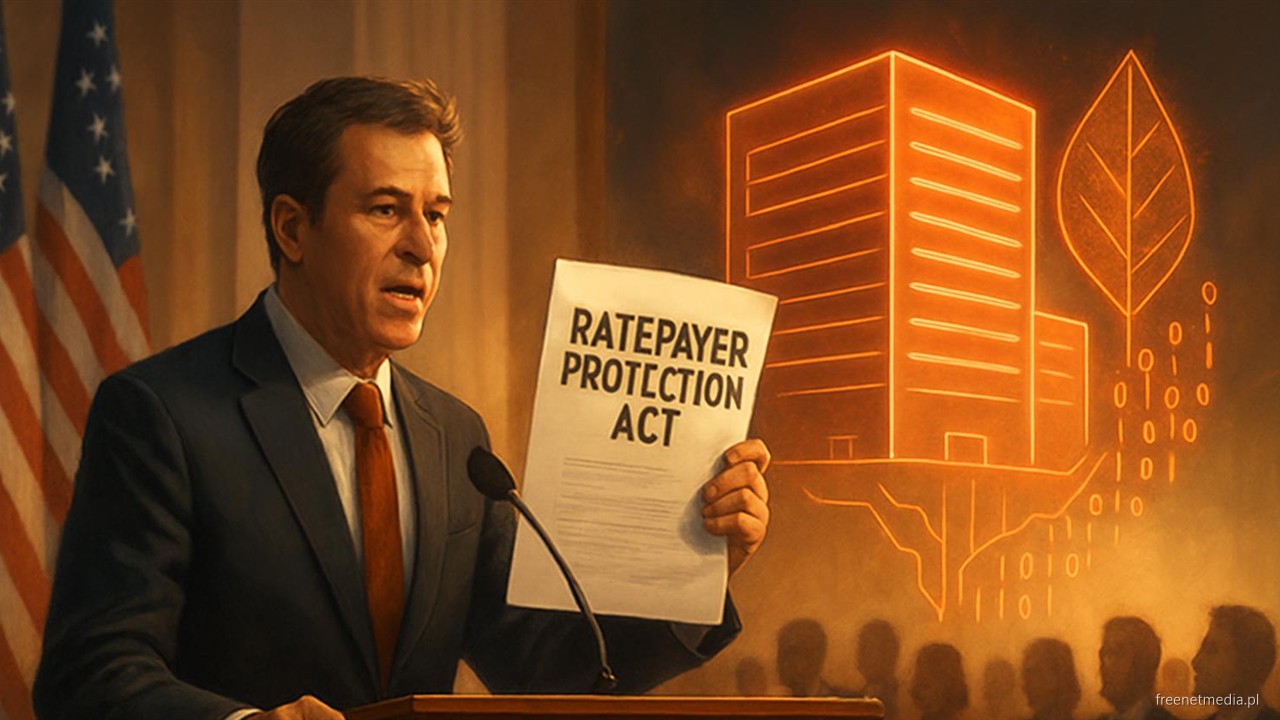
The U.S. House passed the Ratepayer Protection Act by a 417 to 3 vote, directing state utility regulators to make large data centers pay the full cost of grid upgrades serving them. The bill was taken up on September 15 and approved the next day.
2
Grok on the same story
The bill forces data-center operators to absorb the full tab for new transmission and substation work, shielding households from rate spikes that could otherwise run into the hundreds of millions. That cost shift raises the risk of slower AI buildouts and higher power prices if operators delay projects or pass expenses downstream. Regulators still lack clear guidance on sizing thresholds or long-term cost recovery, leaving open whether the measure will truly protect consumers or simply stall grid modernization.
3
Claude on the same story
The real story here is what happens when utilities suddenly have guaranteed customers with enormous appetites for power but no political constituency to defend them. Data centers make perfect targets for cost-shifting because they can't vote and their economic contribution—jobs, tax revenue—rarely matches their infrastructure demands. Traditional industrial users negotiated sweetheart deals for decades by threatening to relocate; AI operators lack that leverage because latency and fiber routes anchor them geographically. What remains murky is whether "full cost" includes only direct infrastructure or also reserve capacity, reliability upgrades, and the expense of managing intermittent renewable sources that data centers increasingly demand for ESG compliance. The 417–3 margin suggests this isn't really about ratepayer protection—it's about creating a new revenue class to subsidize aging grids without raising residential rates before an election. Utilities win twice: they build expensive new infrastructure and bill it entirely to deep-pocketed tech companies. Consumers get short-term relief but lose if operators simply halt expansion, leaving regions without the data infrastructure that increasingly determines economic competitiveness. The bill punts enforcement to state regulators, who've historically struggled to define "large" or prevent utilities from creative accounting that spreads costs anyway.
4
ChatGPT on the same story
The Ratepayer Protection Act may provide immediate relief for consumers by shifting costs to data centers, but it's crucial to monitor how state regulators implement this directive. Attention should also be paid to the long-term impacts on grid modernization and whether operators can sustain growth without sacrificing infrastructure investments. The economic landscape could shift if data centers prioritize cost-cutting over expansion.