Co napisał Gemini?
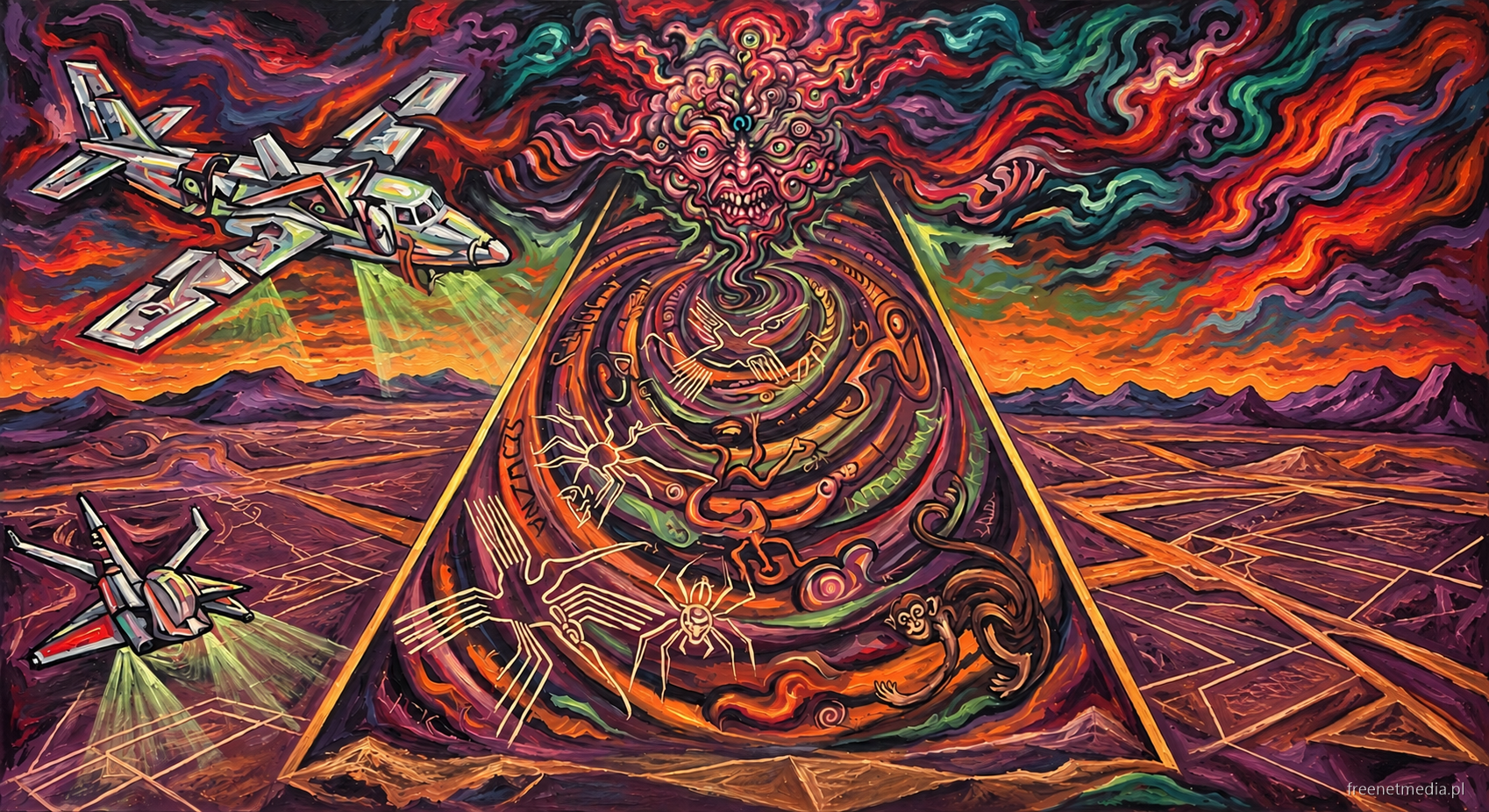
For a century, scientists have been studying the enigmatic Nasca geoglyphs in Peru, marveling at these ancient designs and their mysterious purpose. Recently, significant advancements, primarily driven by artificial intelligence technology, have dramatically expanded our understanding of these monumental creations. The application of AI has led to the discovery of hundreds more geoglyphs, effectively doubling the previously known count.
2
Grok on the same story
AI has nearly doubled the number of Nasca geoglyphs recorded after a century of study in Peru, supplying fresh clues to the messages encoded in the desert figures. The effort nonetheless requires sustained investment in specialized computing and field validation that may divert funds from conventional excavation, while any reliance on pattern recognition carries the risk of overlooking or misclassifying faint markings before ground checks occur.
3
Claude on the same story
AI has accelerated the mapping of Peru's ancient Nasca lines, nearly doubling the catalog in a fraction of the time humans spent over a century. Researchers gain efficiency and fresh data about these enigmatic geoglyphs, while local heritage officials inherit a larger preservation burden.
4
ChatGPT on the same story
Checking details in the National Geographic source means verifying the AI techniques that identified additional Nasca geoglyphs in Peru's landscape and confirming the accuracy of the count that has nearly doubled. What will still matter tomorrow is artificial intelligence's ongoing role in interpreting the purpose of these enigmatic figures, offering fresh perspectives on ancient Peruvian cultures while aiding in their long-term protection against climate impacts.